We use cookies and comparable technologies to provide certain functions, to improve the user experience and to offer interest-oriented content. Depending on their intended use, cookies may be used in addition to technically required cookies, analysis cookies and marketing cookies. You can decide which cookies to use by selecting the appropriate options below. Please note that your selection may affect the functionality of the service. Further information can be found in our privacy policy.
Please enter your email address below. You will receive a password reset email.
New customer? Create your ChessBase shop account with your e-Mail address and password. Advantages for registered users: Fast and easy check out; Easy access to your order history and a backup service for your download products: Purchased download products can be downloaded at any time with dedicated backups on the ChessBase server!


ChessBase Magazine Extra is the perfect complement to ChessBase Magazine. Available as a single issue or by subscription (6 issues per year).
Download plus ChessBase Book for iPad, tablet, Mac etc.!
System requirements (Minimum): Desktop PC or Notebook, Windows 11, 10, 8.1, 2 GB RAM, and Fritz 18, 17, 16 or ChessBase 17, 16, 15 and DVD drive for DVDs / for Downloads no DVD drive required.

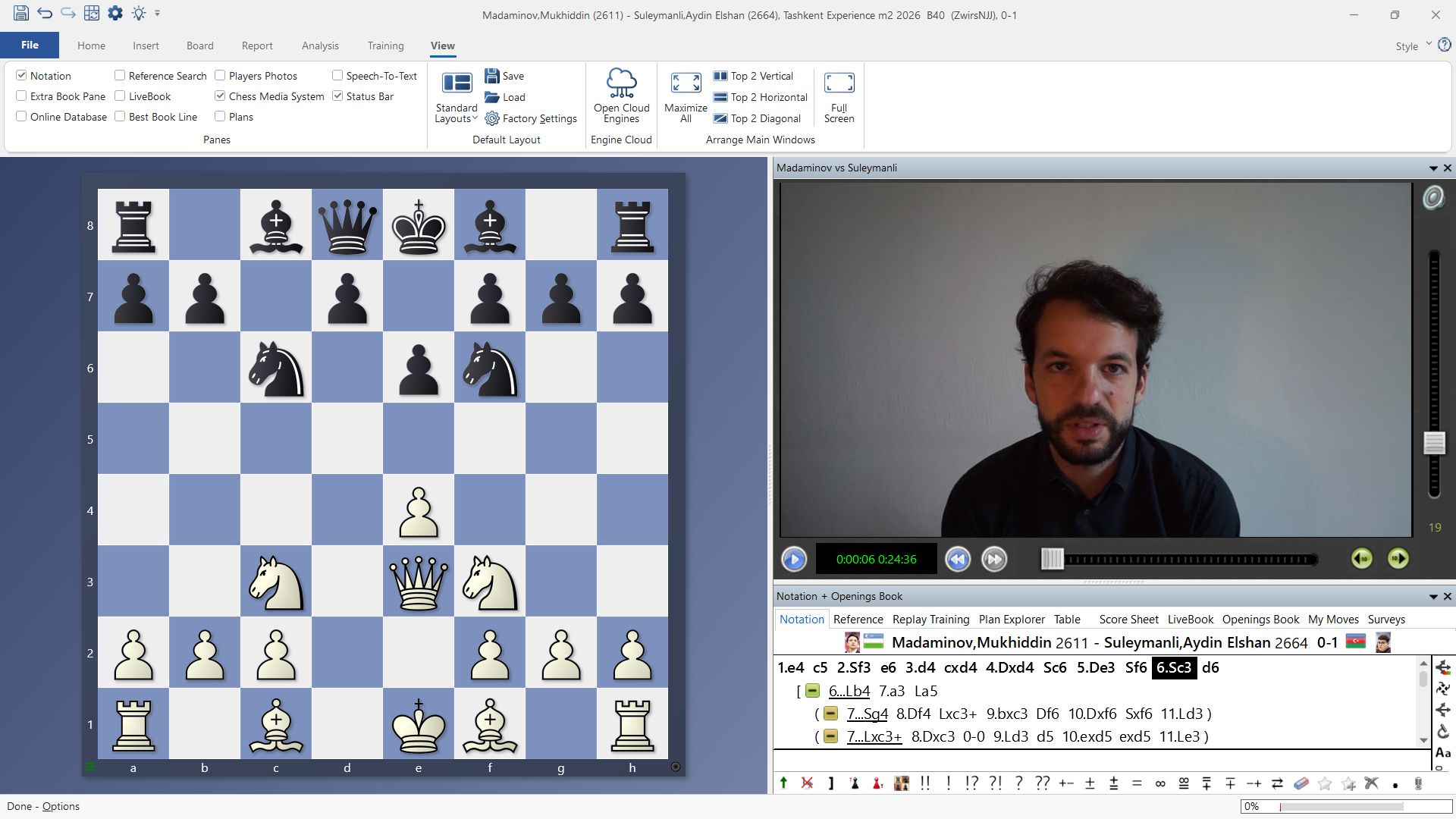
1.e4 c5 2.Nf3 e6 3.d4 cxd4 4.Qxd4 Nc6 5.Qe3 Nf6 6.Nc3
The starting point for Nico Zwirs’s analysis is a recent game between the 19-year-old Uzbek GM Mukhiddin Madaminov, who acted as Sindarov’s second at the 2025 Candidates’ Tournament, and Aydin Suleymanli – played in Tashkent in early September 2026. With 4.Qxd4 Nc6 5.Qe3, Madaminov chose a secondary line in which White intends to build up a robust and promising attacking position with b3, Bb2 and 0-0-0. Our author shows how White’s opening plan paid off in this game – even though the Uzbek player ultimately lost the game. In his analysis, Zwirs also explains why the move 6…d6 is objectively worse than the main move 6…Bb4, which he also includes in his analysis.

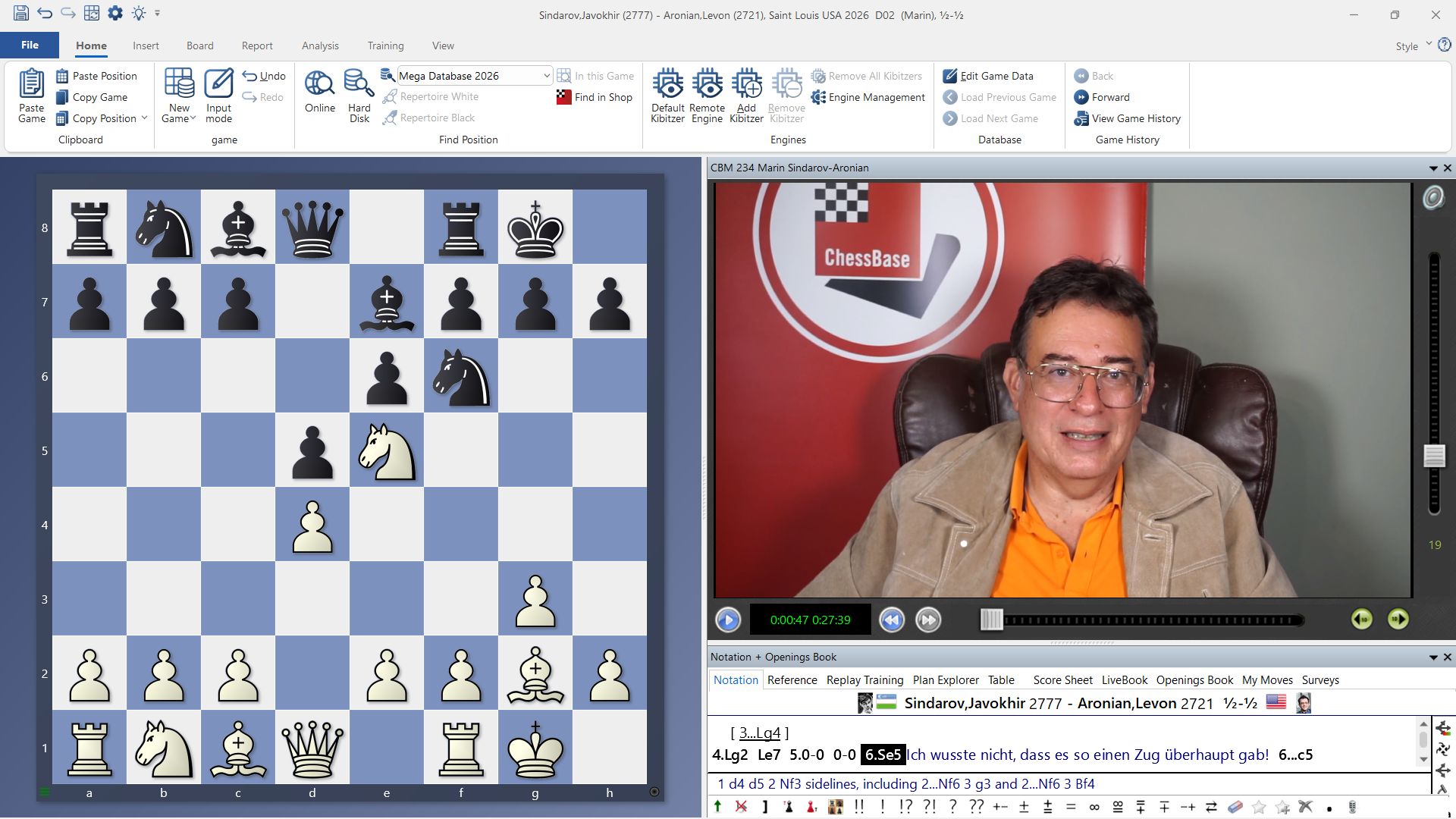
1.d4 d5 2.Nf3 Nf6 3.g3 e6 4.Bg2 Be7 5.0–0 0–0 6.Ne5
A basic rule of the opening is that one should not move a developed piece a second time straight away, but first aim to develop all your pieces. Yet there are clearly exceptions to this rule. At the top-level tournament in St Louis in August this year, the sequence of moves mentioned above appeared on the board in the game between Javokhir Sindarov and Levon Aronian. Marin comments on the move 6.Ne5 with the words, ‘I didn’t even know such a move existed!’ Black, of course, has a wide range of responses to choose from here. In his video, Mihail Marin examines the variations following 6…b6, 6…Nbd7, 6…b5 and 6…c5 – but what is the best way to counter White’s ‘breach of the rules’? Marin recommends that Black play 6…c5 7.dxc5 Nbd7, leading to an open game with chances for both sides!

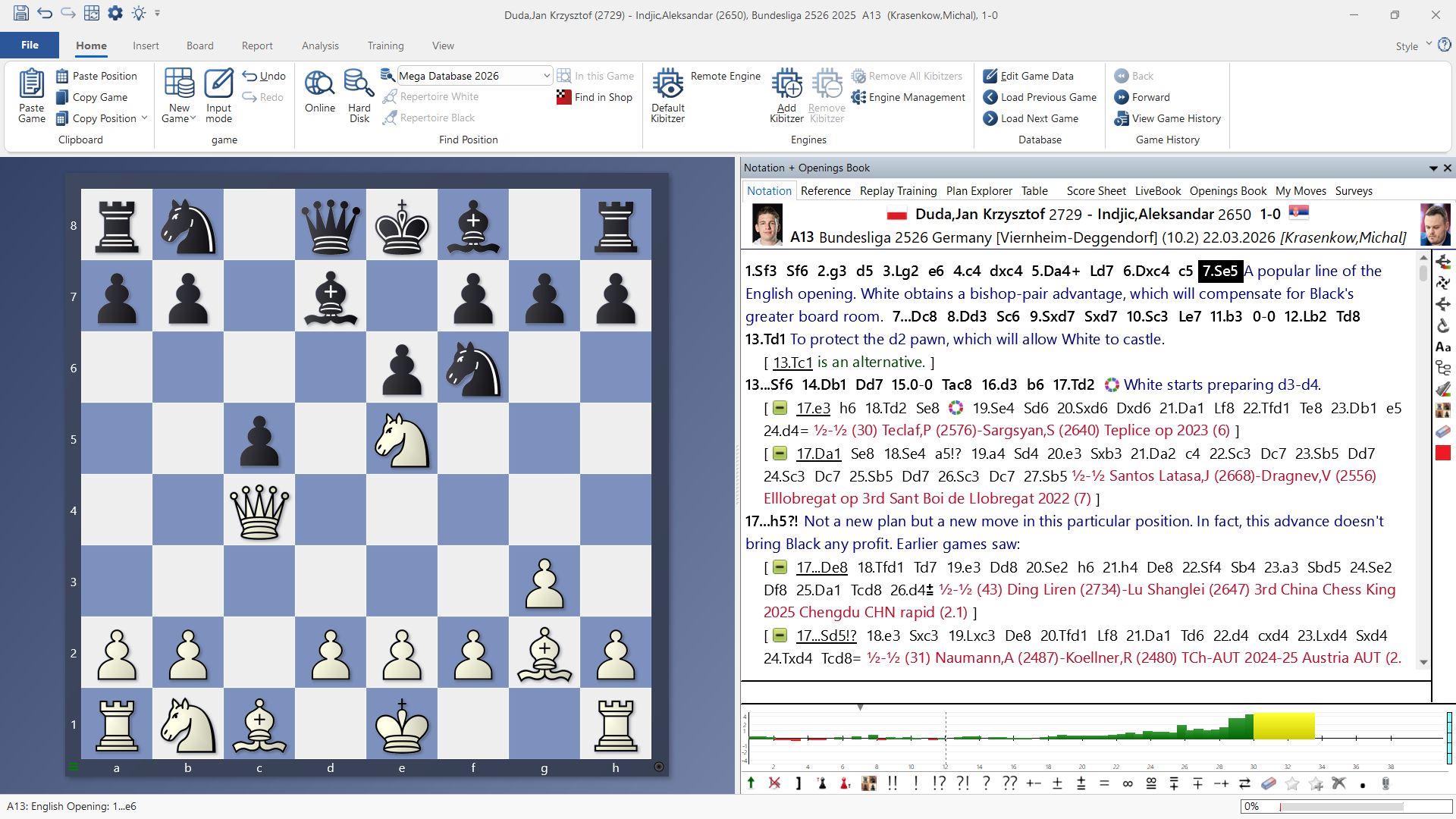
Each issue of ChessBase Magazine Extra offers a colourful collection of annotated games. Some of the analyses come from well-known or even top-ranked players such as Anish Giri, whilst at other times lesser-known title holders scrutinise their own games that they have played particularly well. For this issue’s ‘Lucky bag’, the analyses are all by players you will already be familiar with from ChessBase Magazine.
A particular highlight is ‘The brilliancy’, which Oliver Reeh selects for every Extra issue and which, for good reason, always sits right at the top of the ‘bag’.
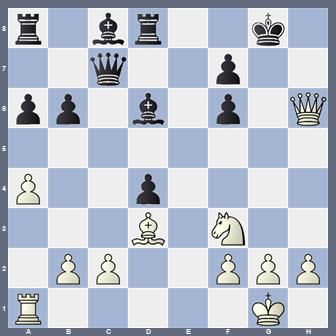
Martin Lorenzini takes a closer look at the game Sosa, T – Akhilbay, I 1–0, which deservedly won the Beauty Prize at the Menorca Open.

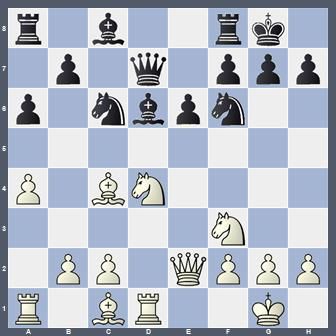
In the French Tarrasch Variation, Black allows himself a slight inaccuracy with 12...b6?!, followed by another after 13.Bg5 with 13...Nxd4?!. A few moves later...

after 21.Re1!, there was no escape left for the black king.
And the Update Service provides over 60,000 new games for your database! Included are games from almost all the world’s top players. The games from the Update Service are also included in the Mega Update Service 2026, which can be used with a current ChessBase programme (and a corresponding subscription).